Pivot Switchblade: The Ultimate Trail Machine
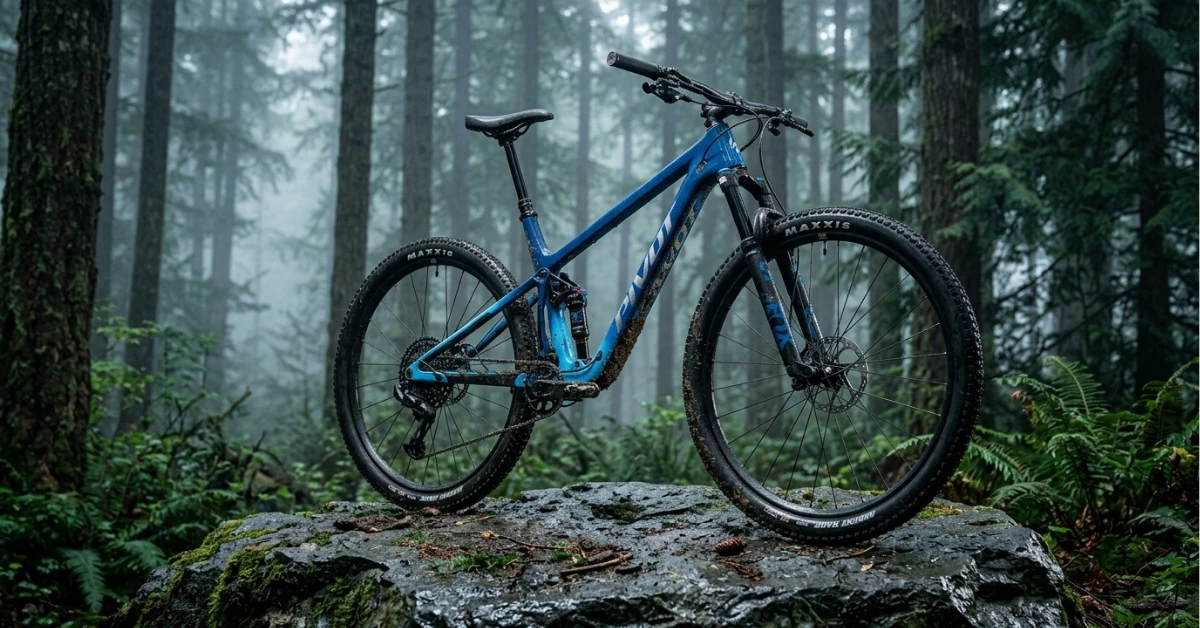
I spend my winters chasing traction on the absolute nastiest, root-infested singletracks the Pacific Northwest can offer. When you are pedaling under your own power through that kind of slop, you need a machine that climbs with pure, unfiltered analog efficiency. The Pivot Switchblade is that exact machine. It points uphill beautifully thanks to a…
I spend my winters chasing traction on the absolute nastiest, root-infested singletracks the Pacific Northwest can offer. When you are pedaling under your own power through that kind of slop, you need a machine that climbs with pure, unfiltered analog efficiency. The Pivot Switchblade is that exact machine.
It points uphill beautifully thanks to a brutally steep 76-degree seat tube angle. You get right over the bottom bracket to generate massive torque.
But when gravity takes over, the completely refined geometry changes the game. The extended reach lets you drop your heels and completely demolish high-speed descents with insane confidence. It climbs like an XC whippet and descends like a downhill brawler.
The Standout Tech: DW-Link Precision
I spend hours in the garage geeking out over linkage kinematics and rear-wheel axle paths. Pivot absolutely nailed the mechanical engineering on this updated frame. By extending the lower links, they radically improved how the DW-Link interacts with the trail.
Here’s the kicker: The longer linkage creates a beautifully progressive suspension curve. When you plow into a massive, jagged root web at race pace, the rear end eagerly absorbs the initial impact to keep your tires glued to the dirt.
But as you push deeper into that 142mm of rear travel, the support ramps up flawlessly. You never experience a harsh, ankle-rattling bottom-out. The bike naturally counters weight transfer under heavy pedaling, meaning you can sprint out of tight corners without losing an ounce of power to suspension bob.
If you want to see exactly how that progressive DW-Link handles real-world dirt, this breakdown is mandatory viewing. They perfectly explain why the longer lower links completely change the dynamic of how this bike tracks the ground.
The Anatomy: Switchblade Specs
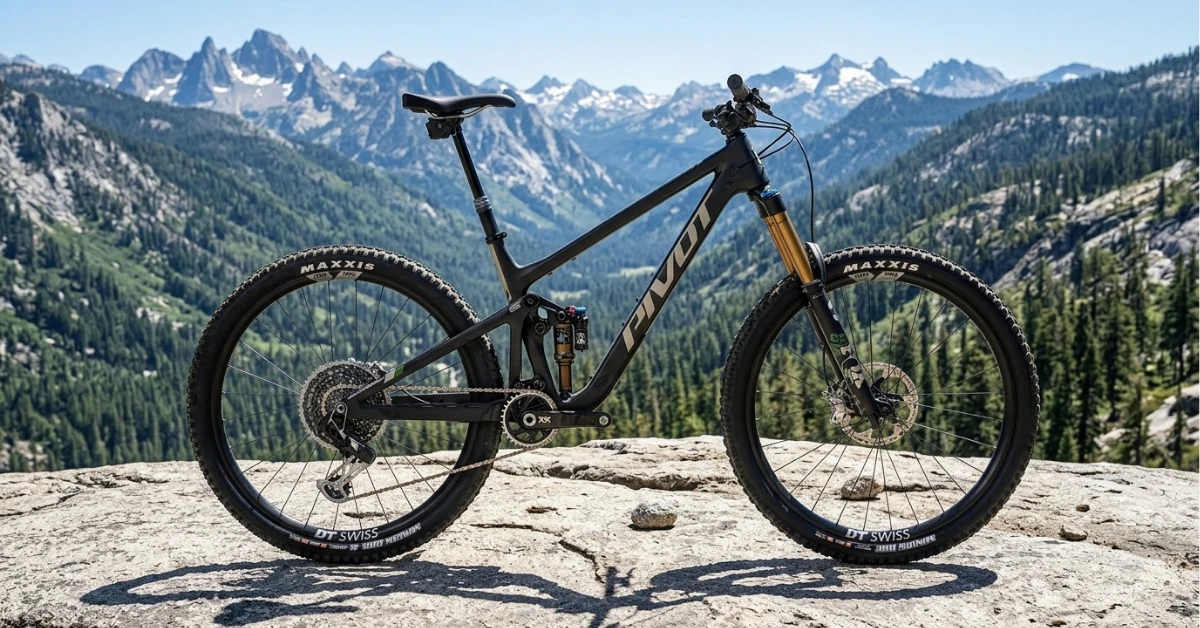
Let’s strip this rig down to the bare carbon. I love studying geometry charts because the numbers never lie. The hardware selection here is pure all-mountain perfection, engineered for absolute durability in the deep woods.
- Front Suspension — 160mm Fox 36 Fork — The immensely stiff chassis tracks perfectly through off-camber rock gardens without deflecting.
- Rear Suspension — 142mm DW-Link (Longer Link) — Progressive ramp-up eats massive square-edge hits while maintaining pure pedaling efficiency.
- Hub Spacing — SuperBoost Plus 157mm — Creates a radically stiff rear wheel for laser-precise cornering in deep, rutted berms.
- Geometry Angles — 65.2° HTA / 76.0° STA (Low Setting) — Slack enough for steep chutes, but steep enough to comfortably conquer vertical, loose climbs.
- Frame Tech — Universal Derailleur Hanger (UDH) — Allows you to directly bolt on the absolute latest SRAM T-Type wireless transmissions.
The Financial Breakdown
Dropping $6,399 USD on a mountain bike is a serious investment. But the Pivot Switchblade justifies every single dollar with pure mechanical precision and unparalleled frame manufacturing.
The entry-level Ride GX build gets you the exact same carbon frame engineering and DW-Link kinematics as the flagship models. You get premium suspension performance without paying the top-tier component tax.
If you want absolute perfection, the Team XX AXS Transmission build tops out around $11,500 USD. You are paying for wireless electronic shifting that works flawlessly under load, and top-tier Fox Factory suspension that reacts instantly to the trail. It is the absolute pinnacle of analog dirt technology.
The Cyclist’s Guide: Dialing Your Switchblade
You need to maintain this machine to keep it running flawlessly. I spend hours in my garage making sure every pivot is torqued to spec. Here is exactly how you optimize your Switchblade for the dirt.
- Tune DW-Link Sag — The progressive curve requires an exact 30% sag measurement. — Ensures the rear wheel stays perfectly glued to off-camber roots while pedaling.
- Utilize the Flip-Chip — The upper linkage adjusts to accommodate a 27.5-inch rear wheel. — Dropping in a smaller rear tire creates insane cornering agility in tight, steep switchbacks.
- Grease the UDH — The Universal Derailleur Hanger needs clean threads for T-Type setups. — Keeps your SRAM Transmission shifting crisply and entirely silent.
- Pack the Tool Dock — The frame features dedicated mounts completely hidden under the top tube. — Allows you to ditch the heavy hydration pack and ride with a perfectly centered center of gravity.
Busting Trail Bike Myths
Internet forums constantly claim that mid-travel bikes bottom out harshly on heavy drops. They are entirely wrong. The Switchblade absolutely shatters that tired internet myth.
Pivot engineered the longer lower link to create an incredibly progressive end-stroke. You can huck this bike into flat landings and the 142mm of DW-Link travel ramps up so smoothly it feels completely bottomless. It proves definitively that suspension quality is vastly more important than a massive travel number.
Expert Consensus & Final Verdict
I trust the dirt above all else, but the industry experts completely agree with my findings. The test crew over at Vital MTB pushed this exact geometry to the limit on aggressive trails. They confidently stated, “The Switchblade climbs with an efficiency that makes you question if you even need a short-travel cross-country bike. It points uphill incredibly well and absolutely rips the descent.”
I agree entirely. This machine is a total paradigm shift for the modern trail rider. You get supreme analog pedaling efficiency, radical frame stiffness, and flawless descending geometry. The Pivot Switchblade is an absolute triumph of all-mountain engineering.
The Switchblade FAQ
How much travel does the Pivot Switchblade have?
This rig hits the perfect all-mountain sweet spot. You get 160mm of front travel via a highly capable Fox 36 fork, paired with 142mm of rear travel controlled by the refined DW-Link.
Is the Pivot Switchblade a trail or enduro bike?
It is the ultimate all-mountain trail bike. It bridges the gap perfectly, offering the brisk climbing efficiency of a short-travel bike with the aggressive descending capabilities of an enduro sled.
Can you run the Pivot Switchblade as a mullet (MX)?
Absolutely. Thanks to the highly intelligent upper-linkage flip-chip, you can seamlessly toss a 27.5-inch wheel on the rear without negatively impacting the bottom bracket height.
What is the head tube angle on the Pivot Switchblade?
In the low geometry setting, it features a highly capable 65.2° head tube angle. This provides immense stability on steep rock chutes while retaining sharp steering input at slower speeds.
Does the Pivot Switchblade use DW-Link?
Yes. It utilizes an updated version of Pivot’s highly acclaimed DW-Link suspension. The longer lower links create a more progressive curve that eagerly absorbs massive square-edge hits.
What is the rear hub spacing on the Pivot Switchblade?
Pivot continues to utilize their signature 157mm SuperBoost Plus rear hub spacing. This creates a radically stiff rear wheel that refuses to flex under heavy cornering loads.
Is the Pivot Switchblade UDH compatible?
Yes. The carbon rear triangle is completely compatible with the Universal Derailleur Hanger. This means you can directly mount the latest SRAM T-Type wireless transmissions for flawless shifting.
How much does a Pivot Switchblade cost?
The incredibly capable Ride GX builds start at $6,399 USD. The absolute top-tier Team XX AXS Transmission builds, featuring the finest carbon components, max out around $11,500 USD.
Does the Pivot Switchblade have internal cable routing?
Yes. Pivot uses the Pivot Cable Port System which features full internal tubes. This makes maintenance incredibly easy and keeps the bike running completely silent over rough terrain.
What terrain is the Pivot Switchblade best suited for?
This bike is an incredibly versatile all-mountain conqueror. It absolutely devours steep, technical singletrack climbs and provides endless stability for charging down jagged, high-speed descents.