How to Buy Your First Motorcycle: The Complete Guide
Your first bike sets the tone for everything that follows, so choose with your head as well as your heart — here is how to pick, inspect and buy the machine that will actually get you riding.
Advertisement
Buying your first motorcycle is one of the great rites of passage in a rider's life, and it should feel exciting. It can also feel overwhelming, because the choice you make shapes how quickly you build confidence, how much you spend and whether the whole adventure sticks. Get it right and the bike becomes a trusted teacher; get it wrong and it becomes an expensive ornament gathering dust in the corner of the garage.
The good news is that choosing well is mostly about honesty and patience rather than horsepower. This guide walks you through every stage — understanding your own needs, matching a category to your riding, weighing new against used, setting a realistic budget and inspecting a machine before any money changes hands. Take your time here and the reward is a bike you will actually enjoy learning on.
Start With an Honest Self-Assessment
Before you look at a single listing, take stock of who you are as a rider. How tall are you, and can you get the balls of both feet down comfortably at a stop? What is your typical journey — city gridlock, open motorway, or twisting back roads? How much genuine seat time do you have? New riders almost always overestimate the machine they can handle. A bike you feel relaxed on will be ridden often and mastered quickly, while an intimidating one quietly stays parked and teaches you nothing.
Licensing rules also shape your options, and they vary from country to country. Many regions operate tiered systems — such as Europe's A1, A2 and full A licences — that cap the power a newer rider may use, and insurers frequently reward smaller-capacity machines with far lower premiums. Check exactly what you are legally entitled to ride before you fall for something you cannot yet licence or afford to insure, and treat any restriction as a helpful stepping stone rather than a frustrating limitation.
Match the Category to Your Riding
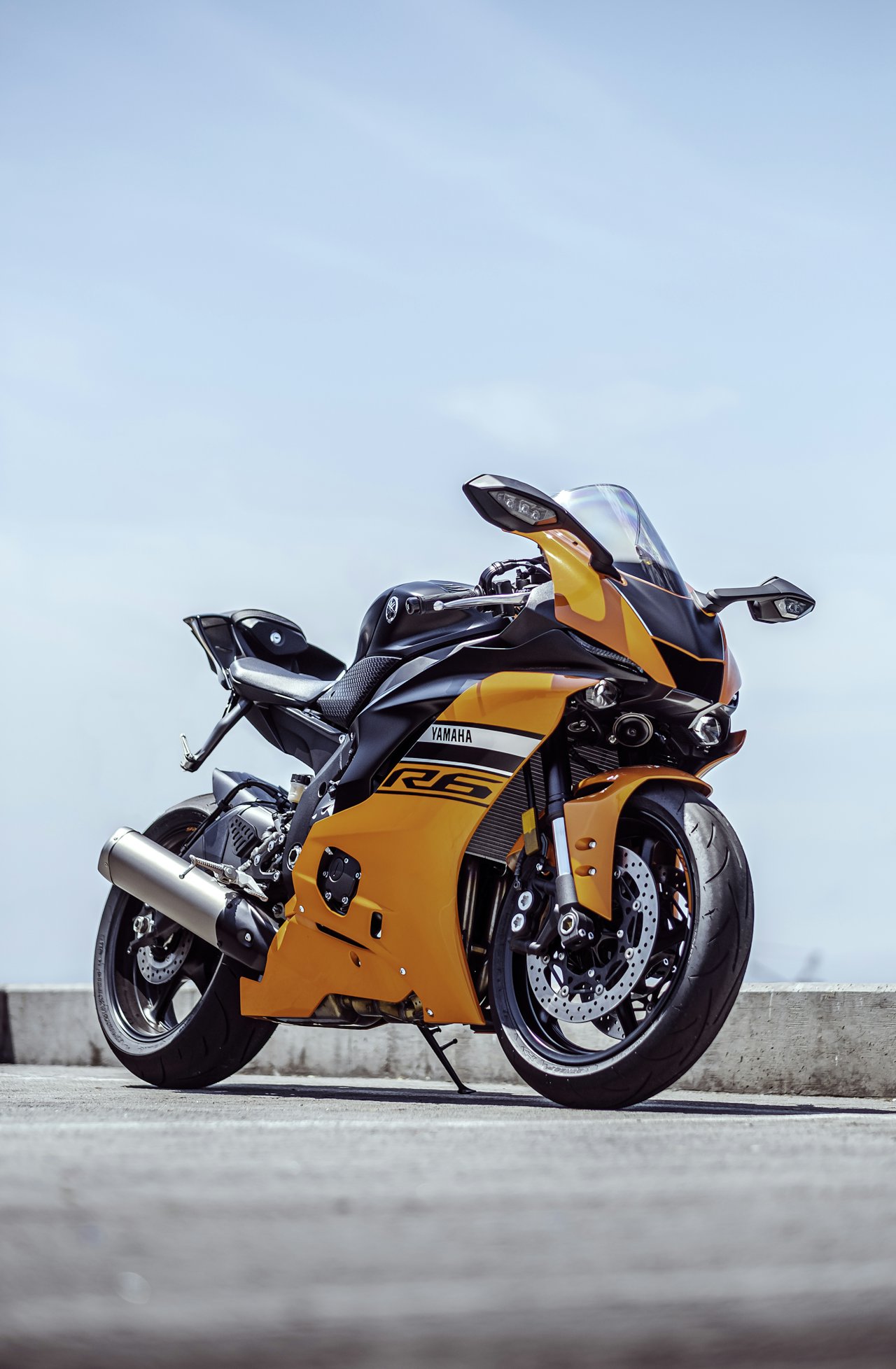
Motorcycles come in families, and each rewards a different life. For most beginners a standard or naked bike in the 300 to 500cc bracket hits the sweet spot: upright ergonomics, gentle power delivery, low weight and forgiving manners. Small adventure bikes and modern classics make superb all-rounders too. What you should avoid on day one is a litre-class supersport, which serves race-track power with no patience for mistakes.
- Standard and naked bikes — the classic first choice for their upright seating and easy manners.
- Small adventure bikes — tall, comfortable and happy on rough surfaces; the Royal Enfield Himalayan 450 is a friendly example.
- Modern classics and retros — approachable power, timeless looks and usually a low, reassuring seat.
- Small cruisers — relaxed and confidence-inspiring, though less rewarding on truly twisty roads.
- Leave full-power supersport and litre bikes until you have a season or two behind you.
New or Used: The First-Bike Question
There is a strong case for buying used as your first machine. Beginners drop bikes — in car parks, at junctions and while learning slow-speed control — and a scuffed second-hand bike hurts far less than a scratched showroom model. Used bikes also shed the steepest depreciation before you ever own them. A new bike, by contrast, brings a warranty, a known history, finance options and the reassurance that nothing has been abused. If money is tight, a well-kept used bike frees up cash for quality protective gear, which matters more.
Budget Beyond the Sticker Price
The purchase price is only the beginning. First-time buyers are routinely caught out by the running costs that surround the bike itself. Set money aside for protective gear, insurance, registration and taxes, a first service and a fresh set of tyres if the current ones are worn. Building these into your plan from the outset means no nasty surprises in month one, and it stops you from spending every last note on the machine with nothing left for the kit that keeps you in one piece.
- Riding gear — helmet, jacket, gloves, trousers and boots, never an afterthought.
- Insurance and registration — get quotes before you buy, as they vary wildly by model and rider age.
- First service and consumables — oil, filters, brake pads and possibly tyres.
- A basic tool kit, chain lube and a paddock stand for home maintenance.
- A contingency fund of roughly ten percent for the unexpected.
Inspect a Used Bike Like a Pro
If you go the second-hand route, never buy unseen. Bring a knowledgeable friend if you can, view the bike in daylight and dry weather, and work methodically through a checklist before you even thumb the starter. A seller with nothing to hide will happily let you take your time; anyone rushing you is a warning in itself.
- Confirm the frame and engine numbers match the documents and that the seller is the legal owner.
- Check tyres for tread depth, cracking and the four-digit manufacture date stamped on the sidewall.
- Look for fork-seal weeping, corroded fasteners and fresh paint hiding crash damage.
- Measure chain slack and inspect the sprockets for hooked, shark-fin teeth.
- Check oil and coolant level and colour, and ask to see a full service history.
- Start it from cold to hear how it idles, then test ride to feel the brakes, gearbox and steering.
Buy the bike that gets you riding, not the one that impresses the forum. Confidence is built in the saddle, never in the showroom.— Hana Kobayashi, Features Writer
The Test Ride and Knowing When to Walk Away
A test ride tells you what no photograph can. Notice whether the bike pulls cleanly, shifts without crunching and stops in a straight line. Pay attention to how it fits your body and whether the controls fall naturally to hand. If something feels wrong, or the paperwork does not add up, be ready to walk away — there is always another bike. Desperation is how people end up with problems they will pay for all year.
It also pays to buy from the right source. A reputable dealer offers consumer protection, a warranty and often a part-exchange, while a private sale is usually cheaper but comes with little comeback if something goes wrong. Whichever route you choose, arrange your own independent inspection or bring an experienced rider along, and never hand over a deposit for a bike you have not seen and sat on in the metal.
Your first motorcycle does not need to be your dream motorcycle; it needs to be the one that teaches you well and keeps you smiling. Choose a manageable size, spend real money on protective gear, inspect carefully and ride within your limits. Do that and within a single season you will have the skills, the confidence and a crystal-clear idea of exactly what your faster, sharper second bike should be.