Bike Fit 101: Seat Height, Reach and Riding Position
A motorcycle that fits you is safer, more comfortable and more confidence-inspiring, so understanding seat height, reach and the riding triangle is essential before you ever sign for a bike.
Advertisement
We obsess over horsepower and top speed, but the specification that most affects your daily riding is how well the bike fits your body. A motorcycle that suits your height and proportions inspires confidence at every stop, saves your wrists and back on long rides, and lets you place your feet down securely when it matters most. Buy one that fits poorly and even a brilliant machine feels intimidating and tiring.
Fit comes down to three related things: seat height, the reach to the bars and pegs, and the overall riding position they combine to create. Understanding each — and knowing what can be adjusted — lets you shop smartly rather than being seduced by a photograph. Let us break it down so you can judge any bike the moment you sit on it.
Seat Height and Getting Your Feet Down
Seat height is the number riders fixate on, and for good reason: being able to steady the bike at a stop is fundamental to feeling in control. But the raw figure only tells part of the story. A narrow seat lets you reach the ground more easily than a wide one of the same height, and a soft seat compresses under your weight. You do not need both feet flat — the balls of both feet, or one foot solidly planted, is enough for most situations — but the less experienced you are, the more reassurance a lower, narrower seat gives.
This is where model choice matters. The Harley-Davidson Nightster carries a famously low seat of around 705mm, which suits shorter riders and anyone new to a heavier machine. The Royal Enfield Himalayan 450, meanwhile, offers an adjustable seat so you can trade a little comfort for reach, a genuinely useful feature on a tall adventure bike.
One useful trick is to look at the whole picture rather than a single number. A bike with a soft, narrow seat and a low centre of gravity can feel far more manageable at a stop than a lighter machine with a wide, hard perch, even when the quoted heights are identical. Lean the bike gently towards your planted foot as you come to a halt, and you will find you can comfortably flat-foot machines that looked impossibly tall on paper.
Reach: Bars, Levers and Pegs
Reach is how far you stretch to the handlebars and how your legs fold to the footpegs. Bars that are too far forward throw weight onto your wrists and round your back; pegs set too high cramp taller riders. Check that you can operate the clutch and brake levers without overstretching your fingers, and that most modern levers are span-adjustable to suit smaller hands. Comfortable reach keeps you relaxed, and a relaxed rider reacts faster and tires less.
Wrist angle is worth checking specifically. On a comfortable bike your wrists sit roughly in line with your forearms; if they are cocked back sharply or bearing your upper-body weight, long rides will punish them. Handlebar position also affects low-speed control, since bars that are too wide or too far forward make tight manoeuvres feel clumsy. Sit on the bike and mimic a slow U-turn in the showroom to feel whether the controls really do fall naturally to hand.
The Riding Triangle
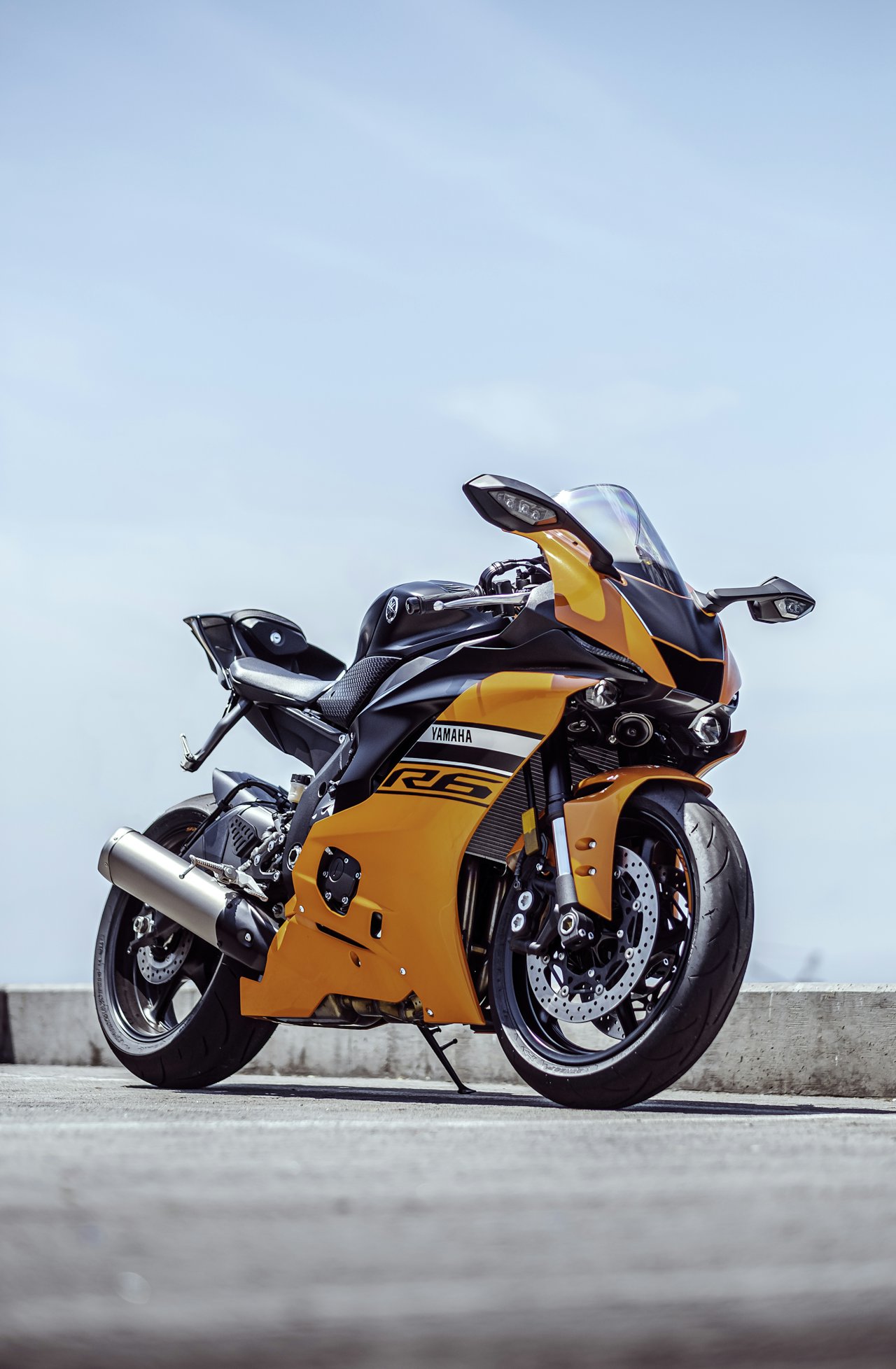
Seat, bars and pegs form what riders call the riding triangle, and its shape defines your posture. An upright triangle, as on a naked or adventure bike, is comfortable and commanding for everyday use. A sporty triangle leans you forward over the tank for speed but loads the wrists. A cruiser triangle sets the pegs forward and the bars back for a laid-back stance, as on the Nightster. None is right or wrong — the question is only whether it matches your body and your riding.
Your intended riding should steer this choice. A commuter and tourer is best served by the upright triangle's all-day comfort and commanding view, while a rider chasing back-road thrills may happily accept a sportier, more forward lean. Cruisers trade cornering clearance for a relaxed, feet-forward posture that many find blissful in a straight line but tiring to hustle through bends. There is no universally correct answer — only the posture your particular body and your particular roads will thank you for.
- Sit on the bike on flat ground and note how much of each foot reaches down.
- Check that your knees fold comfortably and are not jammed against the tank or bars.
- Reach for the levers and confirm they can be adjusted to your hand span.
- Feel where your weight rests — heavy on the wrists suggests too much forward reach.
- Try to picture an hour in the saddle, not just the first thirty-second impression.
What You Can Adjust
The good news is that fit is rarely fixed. Many bikes offer low or high seat options straight from the factory, and aftermarket seats can change height and shape. A professional suspension setup — setting the sag to your weight — can lower the bike a little and transform comfort. Bar risers or pull-back bars bring the grips closer, lowered or adjustable pegs ease cramped legs, and a screen change alters wind pressure. A good dealer will happily help you tailor these before you commit.
It also pays to set the controls to you, not just the frame to your body. Rotating the handlebars in their clamps, adjusting lever reach and angle, and repositioning the brake and gear levers can transform comfort for almost nothing. On many bikes the rear preload can be wound on to firm up a soft, sagging seat, and a screen at the right height removes the buffeting that turns a long ride into an ordeal. Small, cheap tweaks often make the biggest difference of all.
A bike that fits you disappears beneath you and lets you ride. A bike that does not fit reminds you of itself at every corner and every stop.— Elena Rossi, Reviews Editor
Try Before You Buy
No specification sheet replaces sitting on the bike and, ideally, riding it. Wear your riding boots when you try one, because their soles change your reach to the ground, and remember that longer test rides reveal what a car-park sit cannot. Numbness, an ache between the shoulder blades or hot spots under the seat only appear after twenty minutes or more, so borrow a demonstrator for as long as a dealer allows, and take a passenger if you plan to ride two-up. Get the fit right and every ride becomes easier, safer and more enjoyable — which is, after all, the whole point.